About Air Craft Engineering
The Aircraft Engineering Division is responsible for overall policy and guidance for the Engineering Division of the Air Craft Certification Regulatory Program (ACRP). In addition, it is responsible for Federal Aviation Regulations (FAR) 21, 39, and Special FARs19 related to type certification and certification of aircraft in the limited category and primary category. The Production and Airworthiness Certification Division is responsible for regulations, policy, and guidance for the production and airworthiness certification portions of the ACRP. It is also responsible for FARs 21, 43, 45, 183, and Special FARs related to certification compliance, airworthiness certification, and production. The Planning and Program Management Division is responsible for coordinating the Service’s strategic and tactical planning initiatives and processes. It is also responsible for providing technical, general, and managerial training requirements, administrative, and program management guidance, and support to organizations at the Service headquarters.

History of Air Carft Engineering

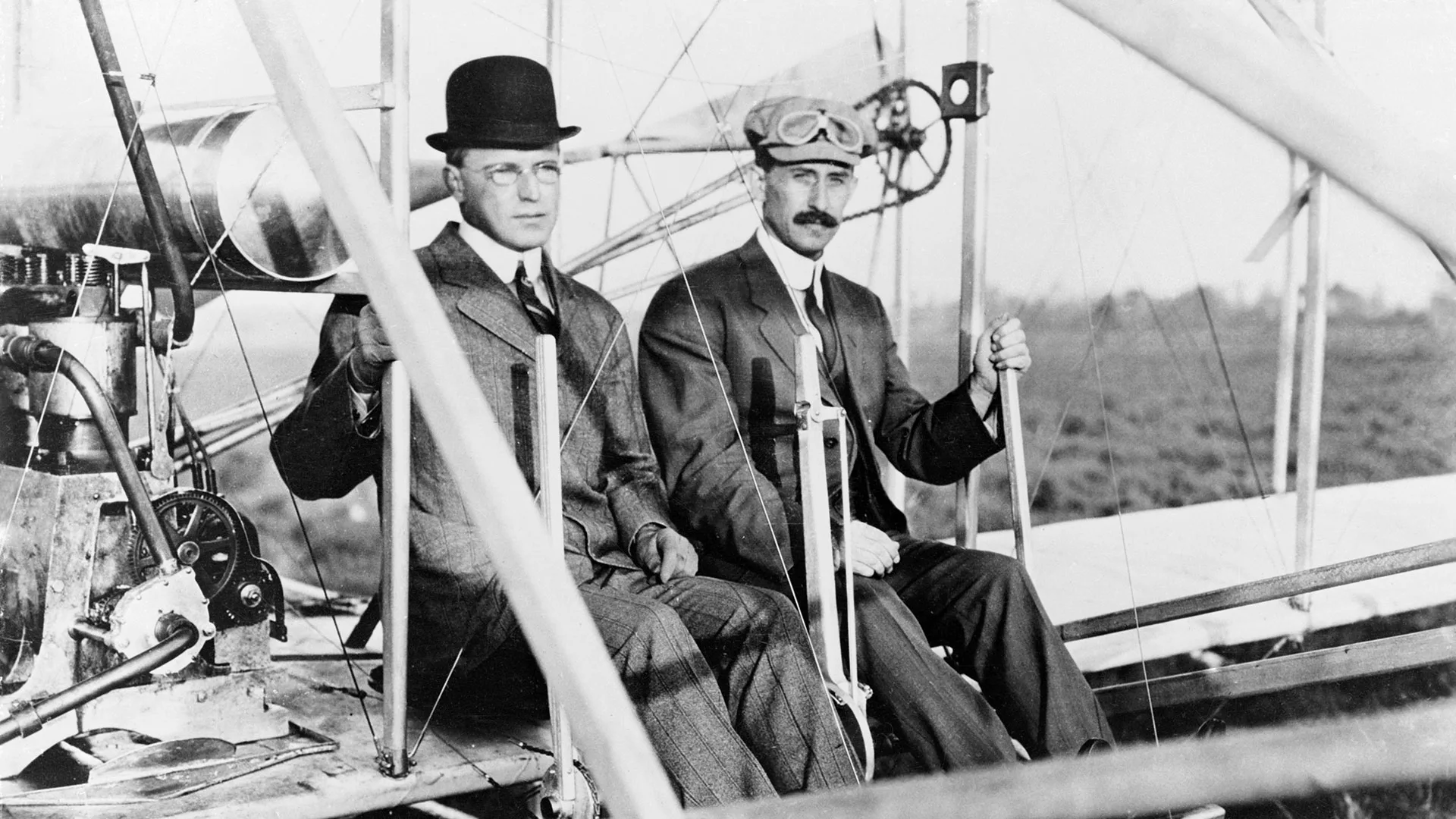
The history of aircraft engineering began with early concepts from visionaries like Leonardo da Vinci and scientific advancements in aerodynamics in the 18th and 19th centuries, culminating in the rite brothers' first sustained flight in 1903. This led to rapid development during World War I and the interwar period,
with major milestones including the transatlantic flight of 1927, the introduction of aluminum, and the development of jet engines and supersonic flight by the mid-20th century. The field has continued to advance through innovations in materials, propulsion, and design, leading to modern commercial and military aircraft.
The Wrigt brothers' breakthrough 1903
The brothers achieved the first sustained, controlled flight of a powered,
heavier-than-air aircraft.
Their success was based on a superior understanding
of three-axis control (roll, pitch and yaw),
which allowed the pilot to steer the aircraft.The 1903 breakthrough of the rite brothers—Wilbur and
Orville Wright—was the world's first successful flight of a powered, heavier-than-air flying machine. On
December 17, 1903,
in Kitty Hawk, North Carolina, they flew their aircraft, the Flyer, four times.
Maintenance, Repair and Overhaul (MRO) Boom in APAC

The Asia-Pacific (APAC) region is growing rapidly in the MRO sector: for example the MRO market in (APAC) was valued at roughly US $29.4 billion in 2024, and is forecast to reach about US $48.8 billion by 2034 with a CAGR of ~5.25%.This growth is driven by: large fleet expansions, increasing wear-and-tear from high-utilization low-cost carriers, stricter safety/inspection regimes, and rising demand for qualified aircraft engineers. Example: In India, Air India Engineering Services Limited (AIESL) at Thiruvananthapuram got “EASA Part-145” certification to service European-registered aircraft, and is building new wide-body hangar capacity. Another example: IndiGo is creating a Rs 1,100 crore MRO facility at Bengaluru to service wide-body and narrow-body aircraft.This means for aircraft engineering professionals (especially in maintenance/repair/overhaul roles): strong demand, especially in APAC, and opportunity to work in Hangar, MRO, inspection, overhaul environments.
Future of Air Craft Engineering
Emerging Air Mobility / Regulatory Changes
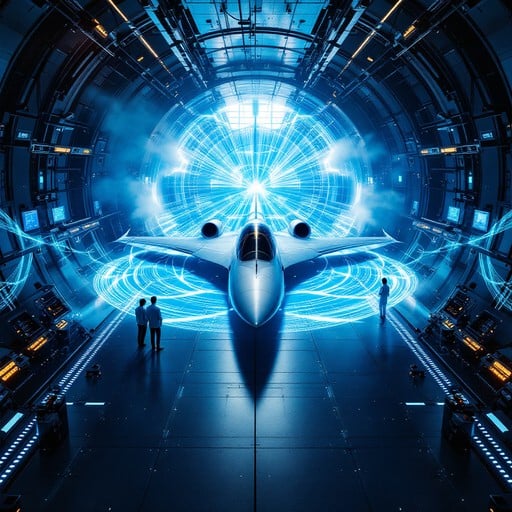
New forms of aviation (eVTOL, urban air mobility, supersonic travel) are moving from concept toward reality. For example, one news piece (in the US) pointed to the lifting of certain regulations around supersonic flight by Federal Aviation Administration (FAA).Regulatory frameworks are evolving (for safety, certification, data/cybersecurity) to accommodate new aircraft types, systems and operations.For engineers: a likely shift in the kinds of aircraft/components you'll work on, new certification/training requirements, and possibly new career paths in “advanced air mobility”.
.jpg)
The Future Outlook — Bright and Expanding
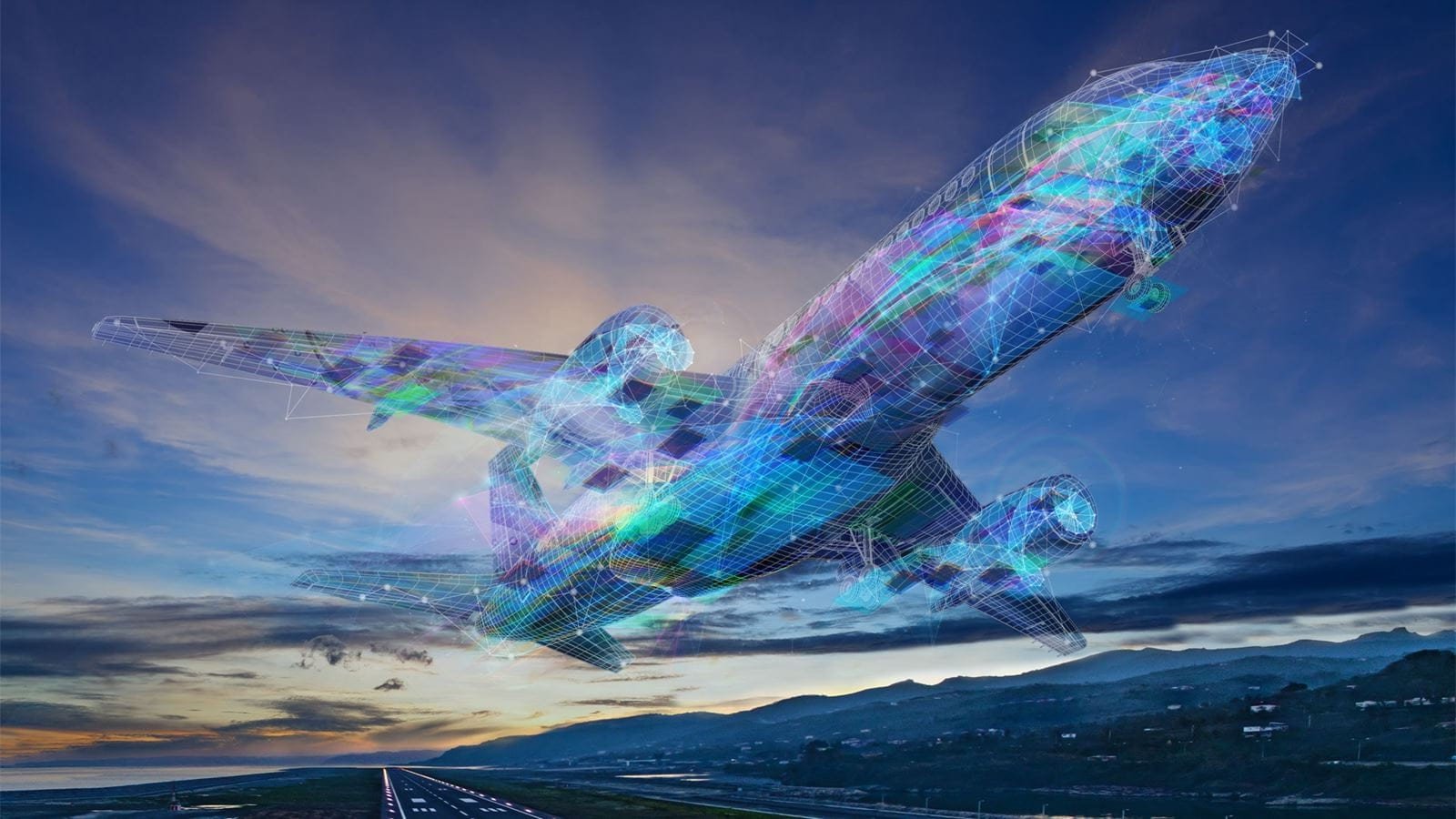
Aircraft engineering is entering one of its most transformative eras since the jet age. Globally, the aviation sector is projected to double in size by 2040.
●Rising global passenger travel (especially in Asia-Pacific),
●Growth in cargo and defense aviation,
●Sustainability and next-generation aircraft programs.
🔹 Global Employment Forecast
•Worldwide aircraft engineering jobs expected to grow by 6–8% annually (Boeing Pilot & Technician Outlook
2024–2043).
•Over 600,000 new maintenance engineers will be needed worldwide by 2043.
•The Asia-Pacific region (including Sri Lanka, India, Singapore) will lead this demand.
How to use AI for Air Craft Engineering
The rapid integration of Artificial Intelligence (AI) in aircraft maintenance is a transformative development for the aviation industry, promising unprecedented improvements in operational efficiency, safety, and environmental sustainability. \This paper explores the evolution from traditional maintenance practices to AI-enhanced methodologies, highlighting the critical role of AI in predictive maintenance, fault diagnosis, inventory management, and maintenance scheduling. Through a mixed-methods approach encompassing case studies, AI performance analysis, and expert interviews, this study provides comprehensive insights into the effectiveness of AI-driven maintenance practices.

How to use Data analytics for Air Craft Engineering
.jpg)
In this competitive industry, every industry is looking for ways to deliver quality service to enhance user satisfaction. From aviation to cargo carriers & jet operators, the integration of AI and data analytics allows businesses to make smarter decisions & boost efficiency. Aviation operators are taking immense benefits from the integration of Data Analytics Services. By harnessing its potential, the business is enhancing its safety, reducing costs, & optimizing its operations. In the next 5 years from 2021, the global airline analytics market is expected to grow at a rate of USD 12.3 billion. This sudden increase causes interested professionals to understand everything about Data Analytics in the airline industry.
Technology Portal
Technology (Greek tekhnologia [technology] ) is the application of advances in science and engineering to benefit humanity. It can be defined as: "solutions to real human problems through the development and application of tools, machines, materials, goods, or information skills, knowledge, processes, blueprints, plans, diagrams, models, formulas, tables, engineering designs, specifications, manuals, or instructions.A Language Interface Pack (LIP) is a software program that allows an operating system, such as Neonics, Windows Vista, or a computer program, such as Microsoft Word, to be formatted in the user's native language. After an operating system or computer program is installed on a computer based on a base language (usually English), installing such a LIP significantly translates the words and formatting of the original operating system or computer program into the corresponding native language. )"
Tunguska Event

.jpg)
The Tunguska event (sometimes referred to as the Tunguska event) was an explosion of approximately 12 megatons[2] that occurred on the morning of June 30, 1908, near the Podkamennaya Tunguska River in Yeniseisk (now Krasnoyarsk Krai), Russia.[1][3] The explosion, which occurred in the sparsely populated East Siberian taiga region, flattened 80 million trees over an area of 2,150 km (830 sq mi) of forest, and eyewitness accounts indicate that at least three people may have died in the event.[4][5][6][7][8] The explosion is generally considered to be a meteorite gas explosion: the atmospheric explosion of a rocky asteroid about 50–60 m (160–200 ft) in size.[9][10] The asteroid approached from the east-southeast, likely at a relatively high speed of 27 km/s (60,000 mph) (~80 Ma).[11] Although no impact crater was found, it is classified as an impact event; the object is thought to have exploded at an altitude of 5 to 10 kilometers (3 to 6 mi) rather than striking the Earth's surface.
|
|
|---|
| Aeronautical Engineering |
| Astronautical Engineering |
| Avionics Engineering |
| Aircraft Maintenance Engineering (AME) |
| Systems and Integration Engineering |
| Structural and Materials Engineering |
| Computational and Simulation Engineering |
| Unmanned and Emerging Technologies |
| Famous Aircraft Engineers |
| Elon Musk |
| Kalpana Chawla |
| Neil Armstrong |
| Samuel Pierpont Langley |
| Wright Brothers |
| George Cayley |
| Famous Aircraft Engineer Companies |
|
Lockheed Martin |
|
Airbus |
|
General Dynamics |
|
Northrop Grumman |
|
SpaceX |
|
Rolls Royce |
|
Blue Origin |